Cranial fixation


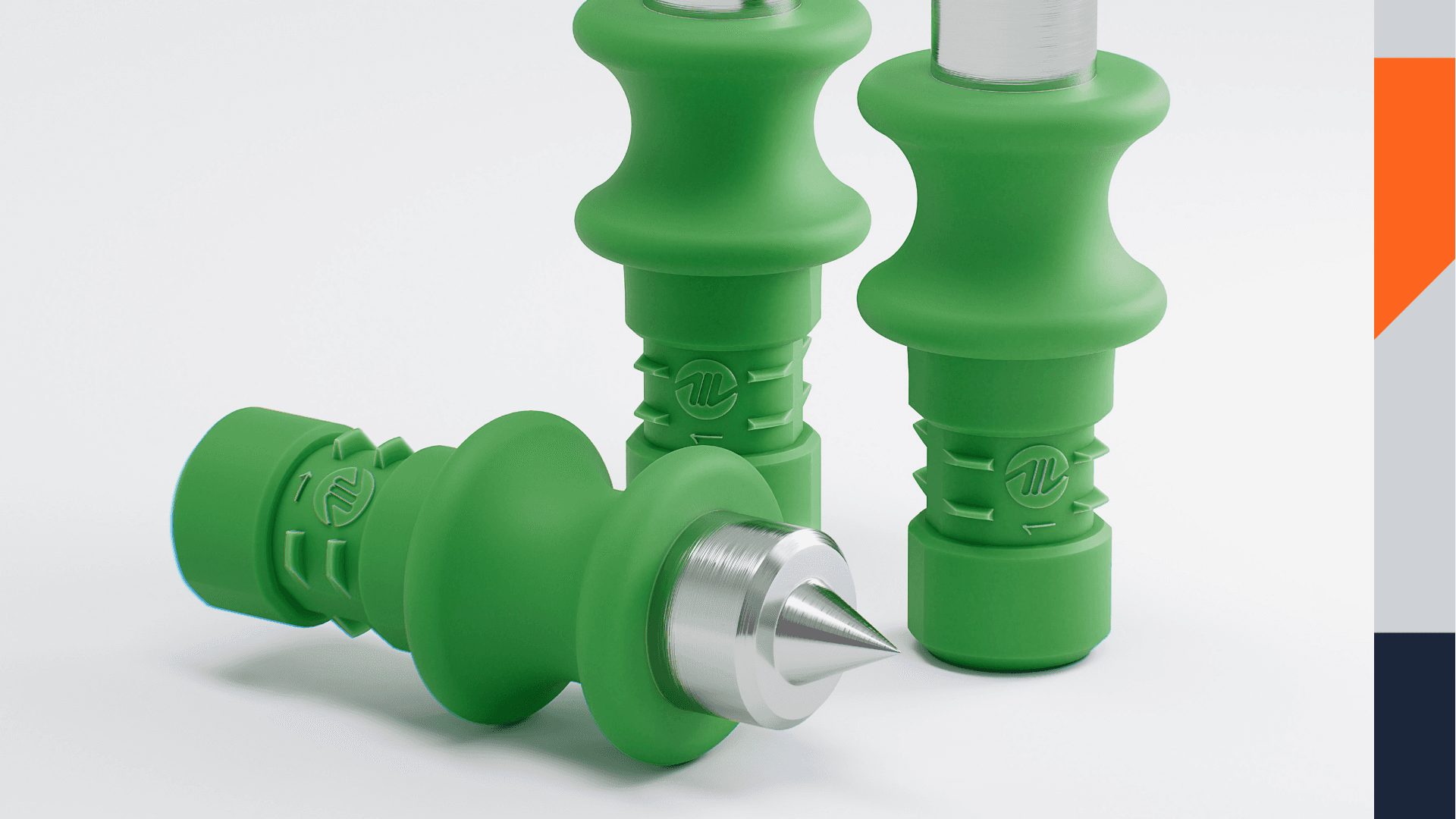
The proper selection of cranial fixation pins is essential to ensure stability, safety, and precision in neurosurgical procedures.
Several factors must be evaluated, mainly the material, size (adult vs. pediatric), compatibility with the fixation system, as well as the neurosurgeon's selection factors. Below is a technical guide to orient this choice, based on the guidelines found on the manufacturer Micromar's website.
Importance of the correct choice
Cranial fixation aims to keep the patient's head motionless during surgery, allowing precise access to the skull or intracranial structures, without causing unwanted displacement or bone trauma.
Inadequate fixation can result in instability, risk of slipping or twisting, bone injury, or difficulty in intraoperative imaging procedures. Therefore, the careful selection of pins, in terms of material, shape, and dimensions, is a prerequisite for safety and efficacy.
Criteria for selecting pins
Available materials
Micromar pins are manufactured in three main materials: stainless steel, titanium, and aluminum.
Stainless steel: widely used worldwide, it offers high mechanical resistance and durability. Ideal for cases where there is no reliance on intraoperative imaging.
Titanium: with less interference in imaging exams (such as CT scans or MRIs), being suitable when there is a need for post-fixation visualization or radiological control.
Aluminum: offers an excellent balance between resistance and image acquisition, being the best value for money for day-to-day use.
The choice of material must consider requirements for resistance, biocompatibility, image interference, and procedure ergonomics.
Size: adult or pediatric
Pins are manufactured in adult and pediatric versions. This differentiation is essential to ensure fixation compatible with the patient's anatomy, preventing excessive perforation or insufficient stability.
For pediatric patients, the pins have smaller dimensions and are designed to minimize bone impact, making the fixation less invasive.
Type of use: reusable or disposable
The pin line may include reusable versions (requiring sterilization) and disposable versions. In the case of the disposable version, the need for sterilization is eliminated, reducing the risk of cross-contamination in the surgical environment and increasing operational efficiency.
Compatibility with the cranial stabilizer
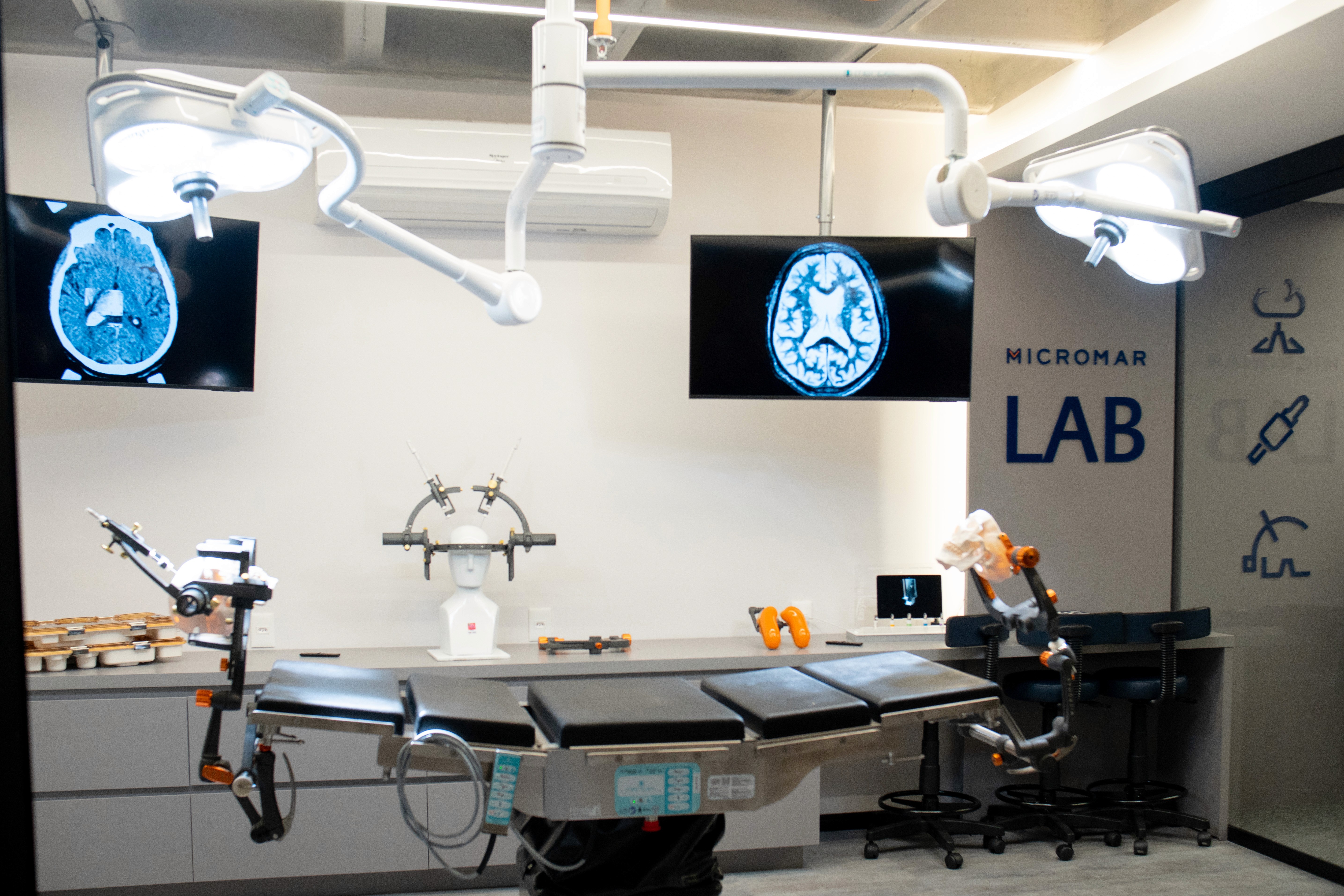
The pins must be compatible with the fixation system used, for example, with the Micromar HeadFix HF03B cranial stabilizer.
Modern systems, such as the HeadFix HF03B, allow the use of both adult and pediatric pins without the need to change adapter parts, which facilitates versatility across mixed cases.
Furthermore, the angled tip of the pins, an important design detail, helps prevent twisting or bone deformation when applying force, increasing the safety and mechanical resistance of the fixation.
Conclusion
The correct choice of cranial fixation pins must result from a careful analysis of the variables: material, size, compatibility with the stabilizer, type of use, and procedure requirements, particularly when image acquisition is involved.
Adopting these criteria makes it possible to maximize patient safety, ensure stability during the procedure, and reduce the risk of complications. The company Micromar, through its line of stainless steel, titanium, and aluminum pins, in adult and pediatric versions, offers versatile solutions for different neurosurgical scenarios, with the most traditional skull stabilizer on the market, the Headfix.